Loading block...
Loading block...
Loading block...
Loading block...
Loading block...
Loading block...
Loading block...
Loading block...
The science behind Gridraven's technology
IEEE PES GM Best Paper Session
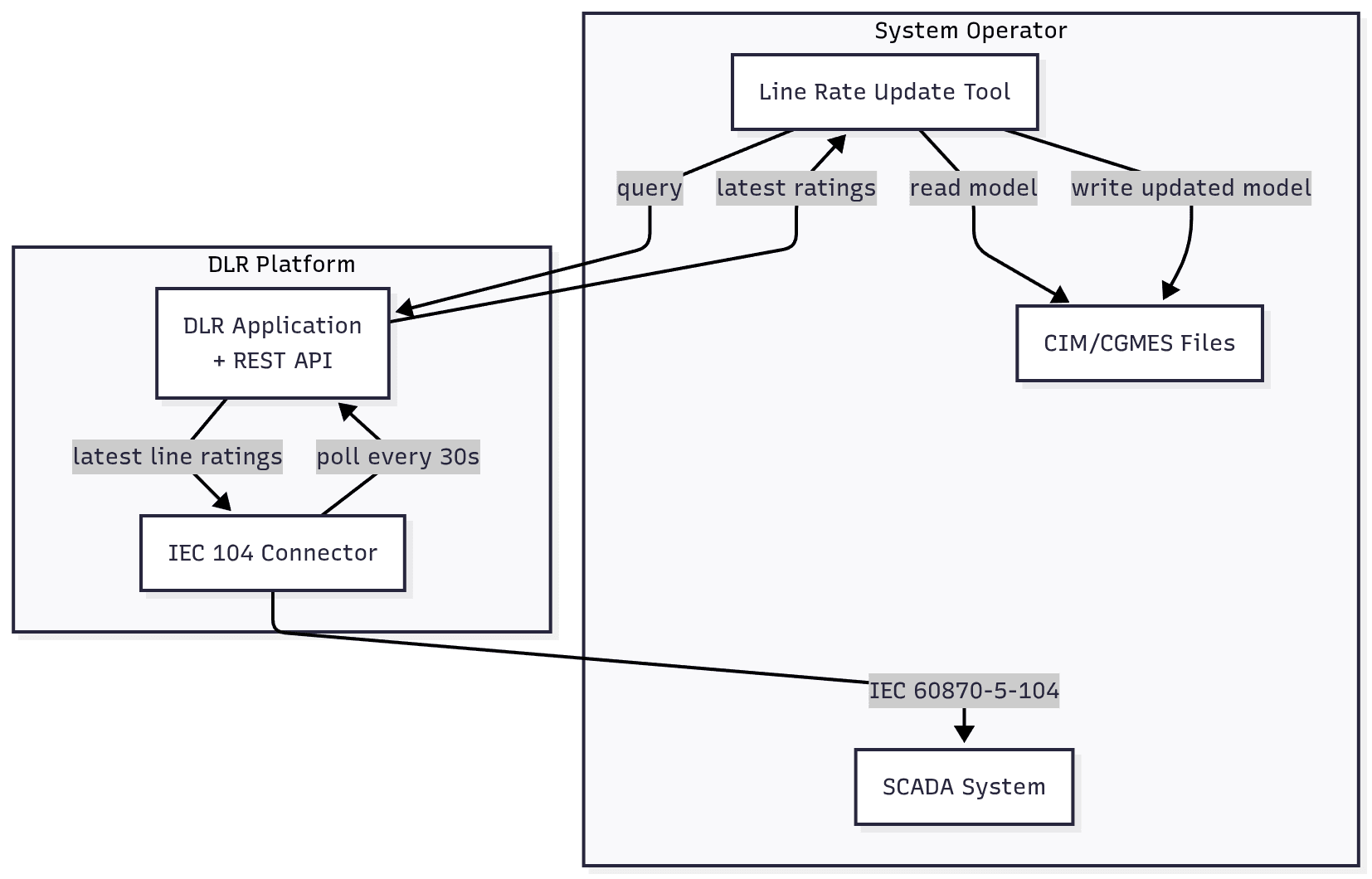
How to put Dynamic Line Rating into day-to-day control-centre operation using IEC 60870-5-104 and CIM/CGMES, not a parallel pilot stack or custom data exchange formats. Key idea: probabilistic, span-aware DLR → line-level Secure DLR (98% CI) → familiar channels operators already trust. Validated on the Estonian transmission grid. Presented at the IEEE PES GM Best Paper Session. The paper is awaiting publication in IEEE Xplore.
Download PDF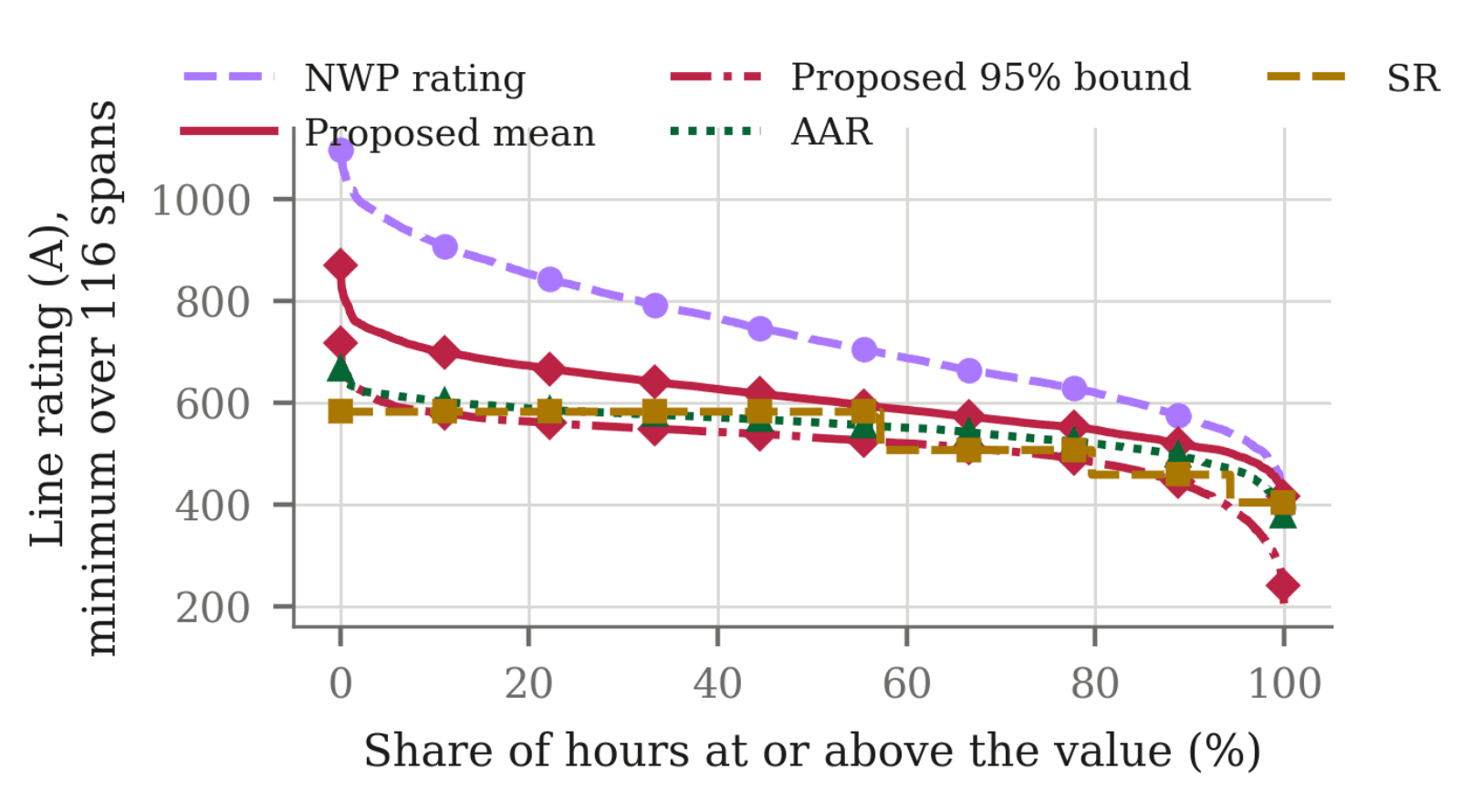
IEEE
Validation against line-mounted sensors. The rating falls below the nominal 95% bound for 5.1% of hours and the 99% bound for 0.6%. Out of 116 spans, 75 are limiting at least in some hour and the binding span changes between consecutive hours 39% of the time.
Download PDF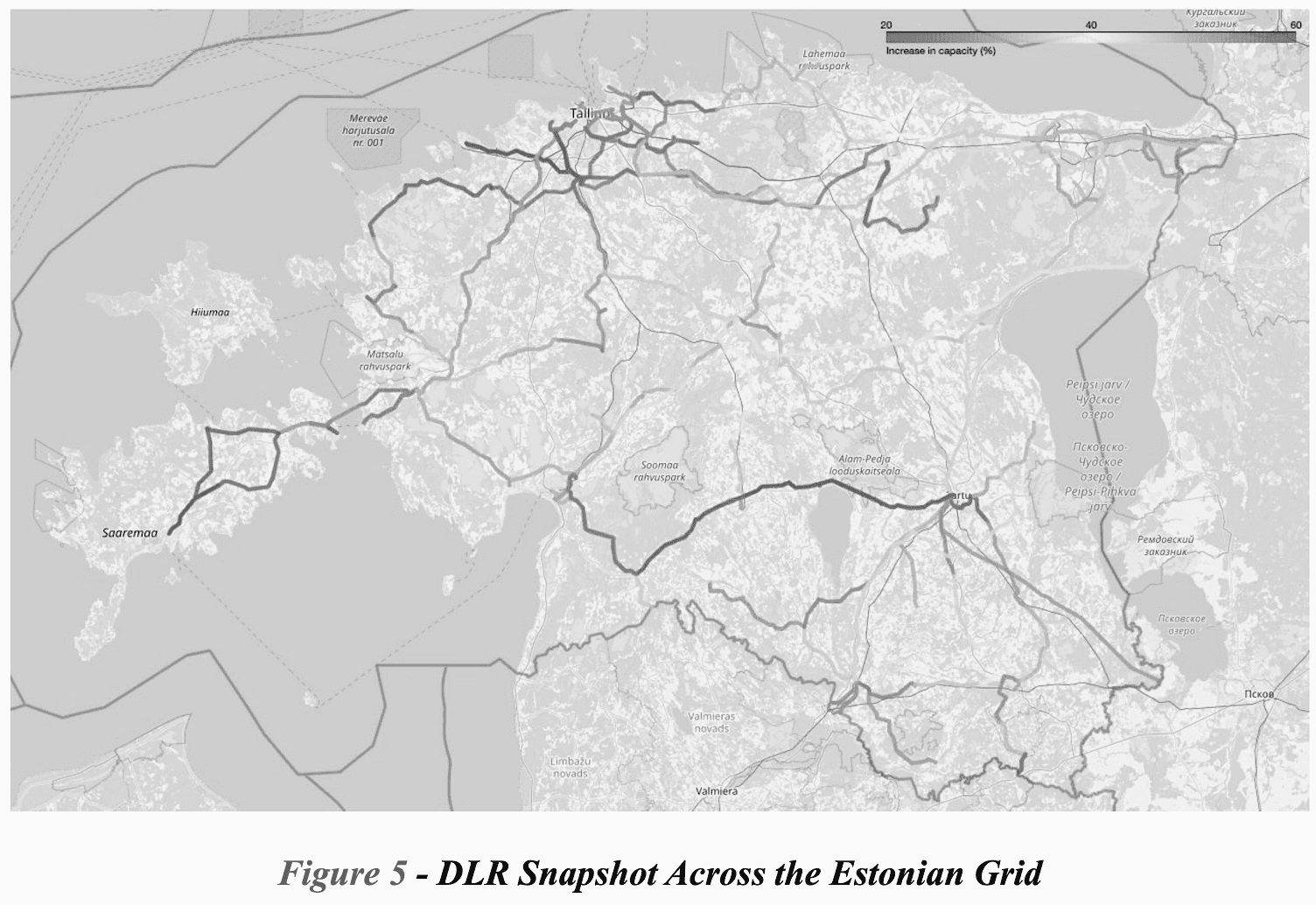
A case study covering 5000 km of lines
A Case Study Covering 5000 km Estonian Transmission Lines. This paper presents a large-scale implementation of a sensorless Dynamic Line Rating (DLR) system across the Estonian high-voltage transmission grid. The results confirm that a sensorless DLR system using machine learning and high-resolution weather data can scale to national grid levels.
Download PDF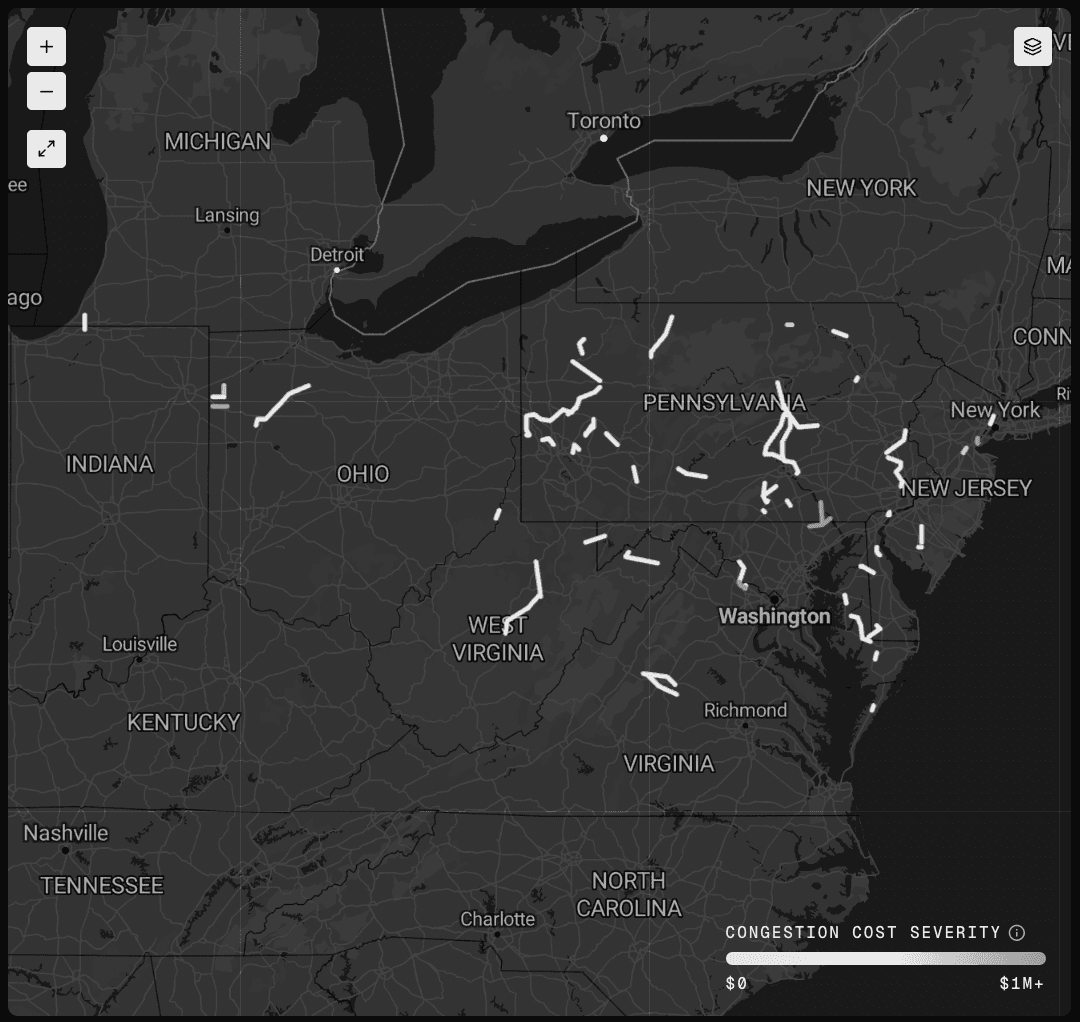
Report
In this report, the financial impact of transmission constraints within the PJM Interconnection is analyzed, focusing on how Gridraven’s machine learning-based Dynamic Line Rating (DLR) technology can mitigate these bottlenecks.
Download PDF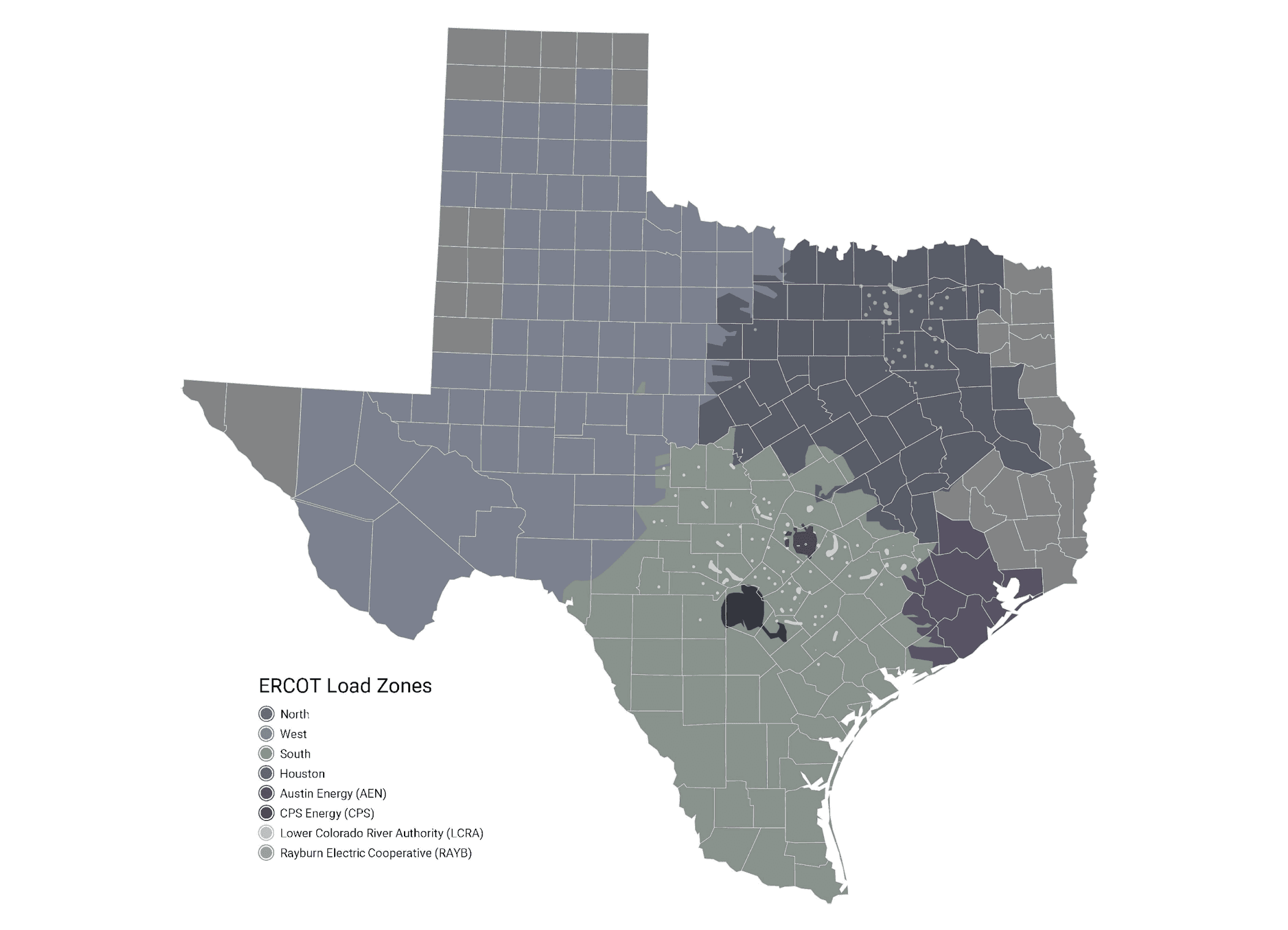
Boosting the grid in Texas
Congestion costs in ERCOT have been between $1 to $2 billion each year. The study looks at the economic benefit from two short-term options for reducing congestion: (1) Dynamic Line Ratings and (2) treating the San Miguel - Elm Creek double circuit 345 kV line as a double contingency.
Download PDF
Texas validation
In this report, the Gridraven machine learning based wind speed predictions and large-scale Numerical Weather Prediction (NWP) wind speeds are compared against physical measurements from meteorological stations across the state of Texas.
Download PDF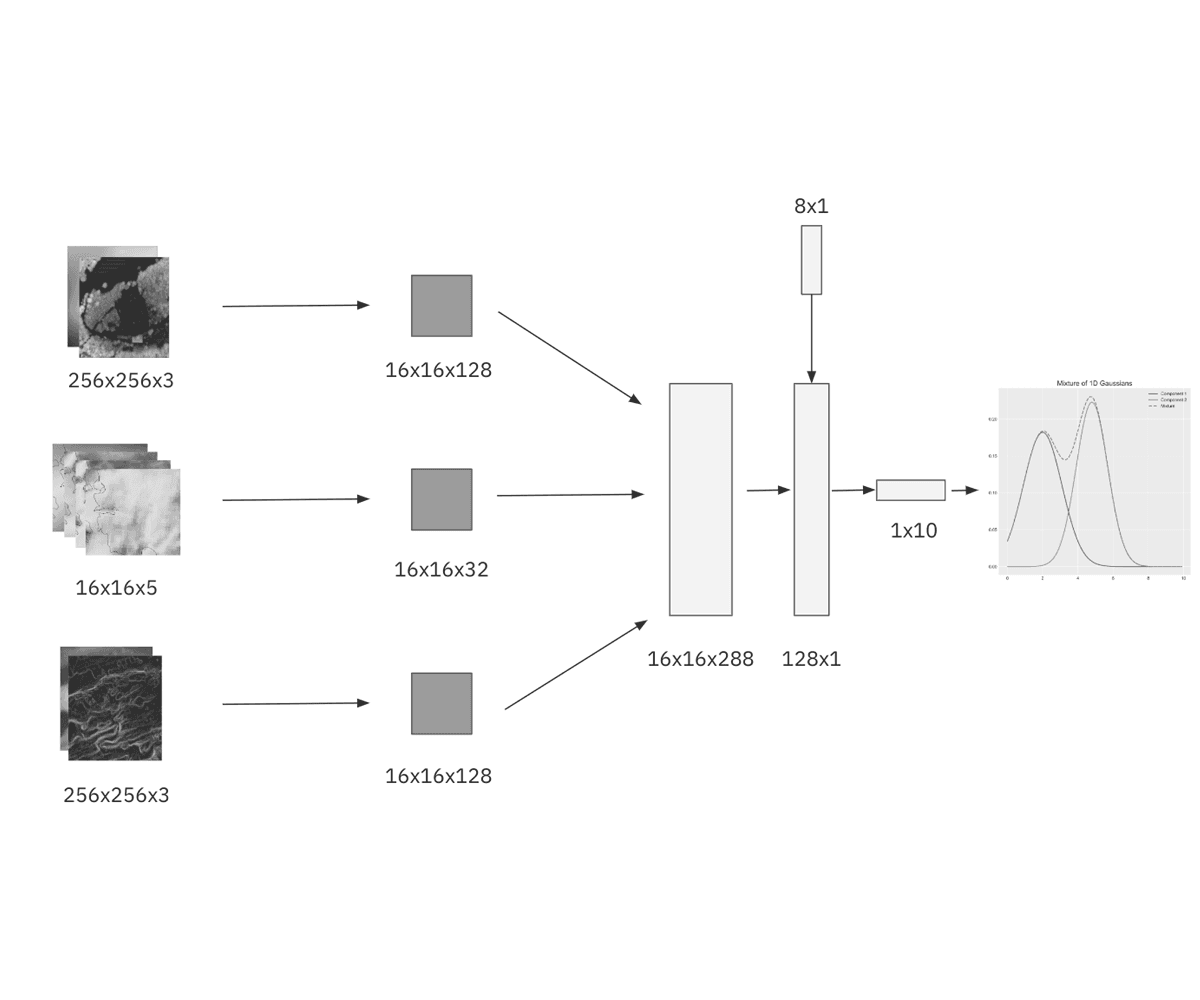
IEEE
A description of Gridraven's weather downscaling technology. Gridraven Claw is based on a machine learning approach for hyper-local weather prediction using digital elevation models from airborne lidar scanning and satellite earth observation.
Download PDF